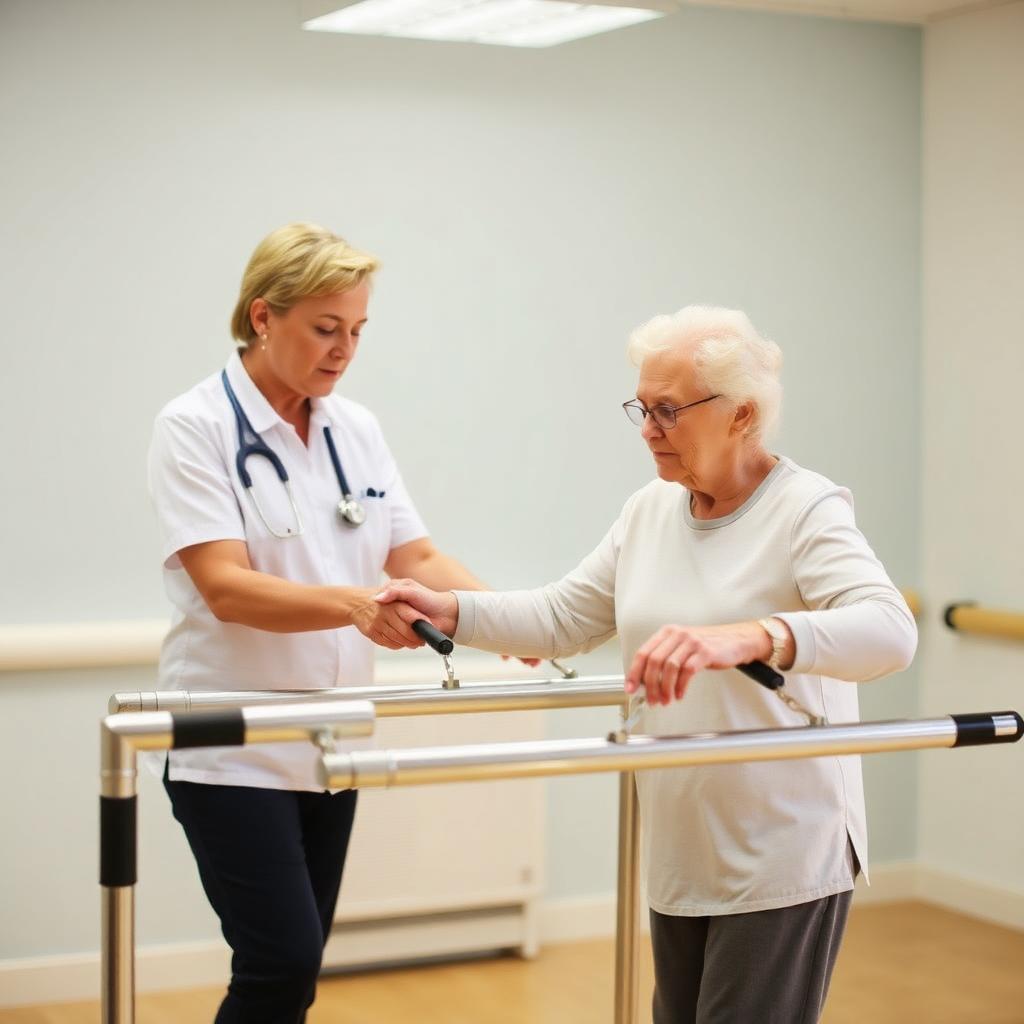
Walking is something most of us take for granted — until an injury, illness or neurological condition makes every step a struggle. Difficulty walking, frequent stumbling, or losing your balance can quickly take away your confidence and independence.
This is where gait training comes in. Guided by a qualified physiotherapist, gait rehabilitation helps you walk more safely, restore balance and rebuild the strength you need for everyday life — and it can all be done in the comfort of your home.
What Is Gait Training?
Gait training is a specialised form of physiotherapy designed to improve the way you walk. It focuses on correcting walking patterns, improving balance, building lower-body strength and retraining the brain–muscle connection that controls movement.
A physiotherapist analyses your posture, stride length, foot placement, hip and knee movement, and balance, then designs a personalised program. Depending on your condition, gait training may include walking on level ground, using parallel bars, practising stairs, balance exercises, treadmill walking or assistive devices such as walkers or canes.
Signs You May Need Gait Training
- Frequent loss of balance or near-falls while walking
- Shuffling, dragging a foot, or limping
- Difficulty walking in a straight line
- Weakness or instability in the legs
- Stiffness or pain that changes the way you walk
- Fear of falling, especially on stairs or uneven surfaces
- Slow or short steps, or trouble starting to walk
Conditions That May Require Gait Training
- Stroke and post-stroke weakness (hemiplegia)
- Parkinson's disease and other neurological disorders
- Multiple sclerosis and spinal cord injuries
- Post-surgery recovery (knee replacement, hip replacement, fractures)
- Sports injuries and ligament reconstruction
- Arthritis and chronic joint pain
- Age-related muscle weakness and balance loss in the elderly
- Cerebral palsy and developmental gait abnormalities
How Physiotherapy Helps Improve Gait
A physiotherapist begins with a detailed gait assessment to identify the exact problem — whether it's weak muscles, poor balance, joint stiffness, nerve damage or coordination issues. Based on this, a step-by-step rehabilitation plan is created.
Treatment typically combines strengthening exercises, stretching, balance and proprioception training, posture correction, neuromuscular re-education and task-specific walking practice. For stroke and Parkinson's patients, the therapist also uses cueing techniques, weight-shifting drills and rhythm-based walking to retrain the brain.
Assistive devices like walkers, canes or ankle-foot orthoses may be introduced when needed — and gradually reduced as strength and confidence return.
Benefits of Gait Training
- Improves walking speed, stride length and stability
- Reduces the risk of falls and related injuries
- Builds strength in the hips, knees, ankles and core
- Restores balance and coordination
- Helps you walk longer distances with less fatigue
- Improves posture and reduces joint strain
- Boosts independence and self-confidence
- Supports recovery from stroke, surgery and neurological conditions
Why Home-Based Gait Training Can Be Effective
Travelling to a clinic with walking difficulties is exhausting and often unsafe. Home physiotherapy removes that barrier completely. Your therapist comes to you, assesses your real walking environment — your stairs, doorways, bathroom, flooring — and tailors exercises to the spaces you actually use every day.
Practising in your own home also makes recovery more practical. You learn to navigate the surfaces and obstacles you face daily, which builds confidence faster than clinic-only sessions. Family members can be involved too, learning how to safely support you between visits.
When Should You Seek Physiotherapy?
Do not wait for a fall to take gait problems seriously. Consult a physiotherapist if you notice persistent walking difficulties, balance issues, leg weakness, or changes in your walking pattern after an injury, surgery, stroke or neurological diagnosis.
Early gait rehabilitation prevents complications, reduces the risk of serious falls, and significantly improves long-term mobility. The sooner training begins, the faster you regain independence.
Conclusion
Walking is freedom — and gait training helps you reclaim it. Whether you are recovering from a stroke, managing Parkinson's disease, healing after surgery, or simply losing balance with age, physiotherapy can restore stability, strength and confidence in every step.
Need help with walking difficulties, balance problems, or rehabilitation? Rehab At Home provides professional home physiotherapy services designed to improve mobility, balance, and independence. Visit https://rehabathome.in or email rehabathomeindia@gmail.com to book a home assessment today.
Frequently Asked Questions
How long does gait training take to show results?
Most patients notice improvements in balance and confidence within 2 to 4 weeks of consistent therapy. Full recovery depends on the underlying condition — neurological cases like stroke or Parkinson's may need several months of ongoing rehabilitation.
Is gait training painful?
No. Gait training is gentle and progressive. Your physiotherapist starts with what you can comfortably do and slowly builds difficulty as your strength and balance improve.
Can elderly patients benefit from gait training at home?
Yes. Home-based gait training is one of the safest and most effective options for seniors, as it prevents falls, improves independence, and is practised in their familiar environment.
Do I need special equipment for home gait training?
Most exercises use simple items already at home — chairs, walls, stairs, or a walker if prescribed. Your physiotherapist will bring any specialised equipment if needed.
Need help with your recovery?
Book a home physiotherapy consultation with Rehab at Home. Our certified physiotherapists bring expert care to your doorstep across Delhi.